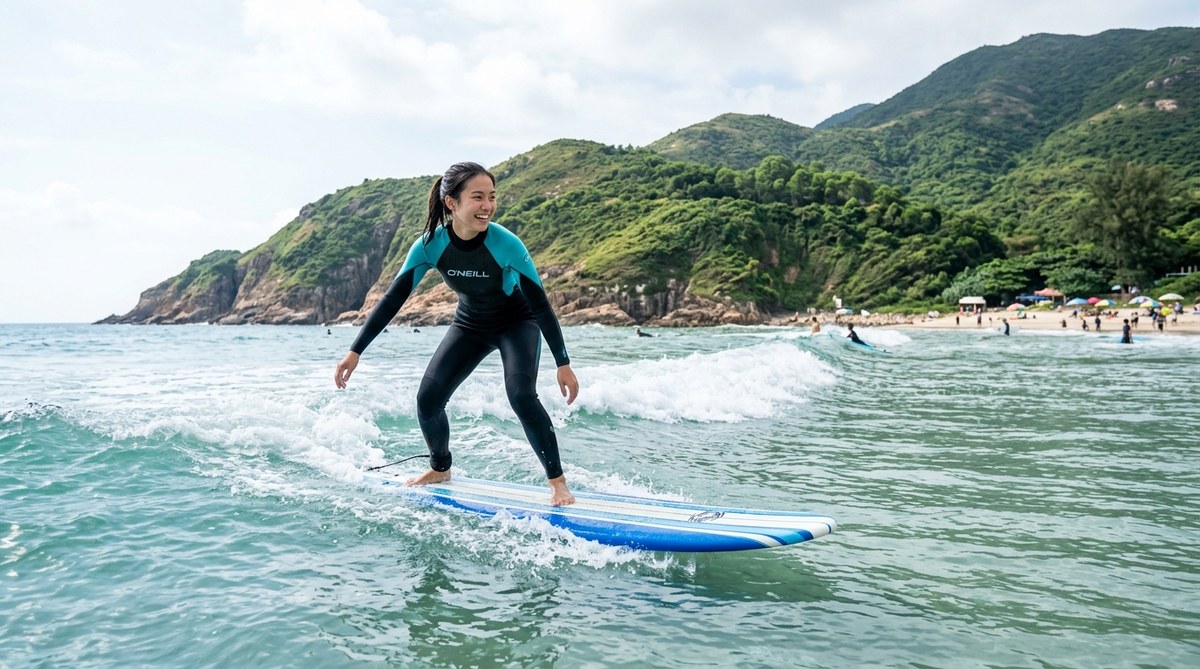
Surfing the city by the sea can feel like a wild mix of city skyline drama and beachside bliss. In Hong Kong you can ride sandy beach breaks one day and paddle out into rolling reef breaks the next. If you are new to surfing or you are returning to the board after a long break, this Beginner’s Guide to Surfing in Hong Kong from Mavericks.hk will help you navigate the local scene with confidence. We’ll cover where to learn, which beaches are friendly for beginners, when to catch your first waves, essential gear, safety tips, and how to stay eco conscious while you chase the next set. Welcome to outdoor adventures that dive into sun, surf and sea life right in the heart of one of Asia’s most exciting cities.
Getting started with surfing in Hong Kong
Surfing in Hong Kong can feel intimidating at first because the coastline spans busy urban beaches to remote, rugged coves. The truth is you can learn the basics very close to the city and still have a meaningful, memorable experience. This section breaks down why Hong Kong is a great place to start and what you need to know before you paddle out.
Why Hong Kong is a great place to learn
- Short travel times from the urban core mean you can fit a session into a weekend or even a lunch break.
- A wide range of beginner friendly beaches with gentle beach breaks and predictable sandy bottoms.
- A growing community of local surf schools and experienced instructors who emphasize safety and technique.
- An environment where eco friendly living and ocean stewardship are part of the beach culture.
What you need to know before you paddle out
- Check the forecast and water conditions on the day. Hong Kong’s waves can swing quickly with seasonal winds and typhoons.
- Start on a beginner friendly beach with soft sand and a shallow entry.
- Use a properly sized board. Soft top boards are ideal for beginners because they are buoyant and forgiving.
- Always wear a leash and a sun protecting rash guard or wetsuit if the water is cool.
- Respect lifeguards and posted signs. If a beach is closed or rough, wait for calmer conditions.
- Learn basic surf etiquette to share the waves safely with others.
Top beginner friendly surf spots in Hong Kong
Hong Kong offers a mix of sandy beach breaks and gentler options that are perfect for first timers. This guide highlights spots that tend to be more approachable for beginners, with notes about access and typical conditions.
Cheung Sha Beach, Lantau Island
- Why it’s beginner friendly: Long sandy beach with shallow water and wide take off zones, making it easier to practice popping up.
- Best times: Autumn through early winter often deliver consistent, mellow swells.
- Access tips: Take the Tung Chung line to Hong Kong International Airport or Tung Chung Station and transfer to a bus that heads toward Cheung Sha.
Big Wave Bay, Hong Kong Island
- Why it’s beginner friendly: While it can get hollow in bigger swells, a lot of days offer friendly, smaller waves suitable for beginners near the outer break.
- Best times: Late summer and autumn when sets are not too steep.
- Access tips: Reachable by MTR to Shau Kei Wan or Sai Wan Ho and a short hike or bus ride to the beach.
Shek O Beach, Hong Kong Island
- Why it’s beginner friendly: A sheltered area that can offer gentle conditions with an easy paddle out.
- Best times: Autumn and spring often provide comfortable water and wind conditions.
- Access tips: Bus routes from Shau Kei Wan or public transport options from Central.
Pui O Beach, Lantau Island
- Why it’s beginner friendly: Long stretch of sand with a broad beach profile and forgiving waves on many days.
- Best times: Autumn through winter when crowds are thinner and water clarity is good.
- Access tips: Bus or taxi from Tung Chung toward Pui O, with plenty of parking for a self guided session.
Tai Long Wan, Lantau Island (Note for beginners)
- Why it’s beginner friendly in some conditions: Tai Long Wan can offer longer mellow runs on certain days, but it is more exposed and has reefs. It is important to assess local conditions and possibly take a guided lesson if you are new.
- Access tips: Often reached by hike or boat, and is best when you are confident in navigation and safety.
What to know about the other popular spots
- Sai Kung, including beaches along the peninsula, can offer variety but often requires careful selection of days since exposure and winds change quickly.
- The there-and-back travel time to several spots makes it feasible to try a few beaches in a single weekend.
When to surf in Hong Kong
Timing can influence how easy your first sessions feel. Here are practical guidelines on seasons, swells, and what to expect.
Seasons and best times
- Autumn (September to November): Consistent swells, friendly beach conditions and diminishing summer crowds. A favorite for beginners.
- Winter (December to February): Cooler water but often cleaner, rideable days with longer periods and more predictable sets.
- Spring (March to May): Warming waters, improving conditions, and a good window for building technique.
- Summer (June to August): Typhoon season and convective winds can create big, challenging waves. This is a time for advanced surfers or highly experienced learners, and always check warnings.
Surfing frequency and planning
- Plan two to three practice sessions per week if you can. Consistency matters more than long sessions.
- Use non windy mornings for calmer conditions and clearer water.
- Always check local reports or apps on the day of your session for updated conditions.
Gear and lessons for beginners
Getting the right gear and professional instruction makes a big difference when you are starting out.
Beginner gear you should consider
- Soft top surfboard or a larger foam board for stability.
- Leash that fits the board and your ankle or calf.
- Wetsuit or rash guard depending on water temperature.
- Sunscreen designed for aquatic use and a wide brim hat for after surfing.
- Towel and a change of clothes; a bag for storing your board while you rest.
- Water bottle to stay hydrated and a small snack.
Where to get gear or lessons
- Local surf schools and rental centers around Cheung Sha, Big Wave Bay, Shek O, and Pui O typically offer beginner packages that include boards, instruction, and safety guidance.
- Look for ISA certified or veteran coaches when possible. A good instructor will focus on paddle technique, stand up timing, and safety.
What a beginner lesson might cover
- Beach theory: safety rules, ocean knowledge, and basic etiquette.
- Practical on the beach: popping up, stance, and balance with immediate feedback.
- In-water coaching: paddling technique, how to catch the smallest waves, and how to fall safely.
Safety and etiquette in Hong Kong waters
Safety should always come first, especially in busy waters with strong currents and busy beaches.
Ocean safety basics
- Check the forecast for wind, tide, and swell. If conditions look aggressive, skip the session or choose a sheltered spot.
- Always wear a leash and know how to fall safely to protect your head and neck.
- Stay within supervised areas and obey lifeguard instructions.
- Learn basic self rescue and how to deal with a cramp or wipeout.
- If you are unsure about a spot, ask local surfers or your instructor.
Surf etiquette you should know
- Right of way: the surfer closest to the peak has priority.
- Do not drop in on someone else’s wave; wait your turn.
- Keep distance when paddling out, maintain space from other surfers, and communicate.
- Respect the environment and pick up after yourself.
- Avoid overcrowded spots on weekends if possible, and choose calmer sessions for learning.
Surfing with a light footprint on the coast
Mavericks.hk promotes eco conscious living. Here are simple ways to keep the shorelines pristine.
Eco friendly tips for surfers
- Carry a small dry bag for trash, cigarette butts, and packaging. Take everything back with you.
- Use reef safe sunscreen to protect coral and marine life.
- Choose responsible gear brands that use sustainable materials.
- Respect wildlife and avoid disturbing nesting birds or protected species.
- Support local beach cleanups and environmental initiatives near your surfing spots.
Protecting coral and marine life
- Avoid stepping on or touching coral when walking in the shallows.
- Do not collect shells or disturb wildlife.
- Stay on designated paths when walking to the beach to minimize erosion.
What to do when waves are flat
Flat days do not mean a wasted day. There are engaging ways to stay close to the water and keep progressing.
Alternatives to surfing on flat days
- Stand up paddle boarding (SUP) on calm water.
- Ocean safety practice and dry land balance drills to improve pop up.
- Coastal hikes from Shek O to Tai Long Wan or other scenic trails.
- Beach games like beach volleyball or a stroll along the coastline to observe wave patterns.
How to get there and transport tips
Getting to the beaches around Hong Kong is part of the adventure. Here are practical routes and tips for popular beginner spots.
Getting to Cheung Sha Beach
- Take the MTR to Tung Chung or spin from the airport express area and connect to Lantau Island transit.
- Bus services run to Cheung Sha from various points on Lantau Island.
- Parking is available if you drive, but public transport is convenient.
Getting to Big Wave Bay and Shek O
- Reachable by MTR to either Sai Ying Pun or Shau Kei Wan with bus connections to the beaches.
- A short walk or bus ride from the nearest station gets you to the sand.
Getting to Tai Long Wan and Sai Kung area
- Best reached by a combination of MTR and minibus/taxi or via organized tours.
- The hike or boat access may be required for certain spots, so check local options.
Getting to Pui O Beach
- Located on Lantau Island; follow local bus routes or a taxi from Tung Chung.
- Parking and boat options are available if you are combining with other activities.
A practical weekend plan for beginners
- Day 1: Morning lesson at Cheung Sha or Big Wave Bay with a qualified instructor. Afternoon practice on the beach with feedback and a gentle paddle out.
- Day 2: Try a second beach such as Shek O or Pui O, with a shorter practice session to build consistency and confidence.
- Evening: Recover with a coastal walk and a beachside meal. Reflect on what you learned and plan your next session.
Learning resources and how to stay in the loop
- Sign up for newsletters from local surf schools and Mavericks.hk to receive forecasts, safety tips, and event notices.
- Follow local surf communities on social media for weather updates, spot reports, and etiquette reminders.
- Consider a short refresher course if you have not surfed for a while.
The bottom line: starting your Hong Kong surf journey
Hong Kong offers a surprisingly diverse and friendly environment for beginner surfers. With gentle sandy beaches like Cheung Sha and Pui O, accessible urban beaches such as Big Wave Bay and Shek O, and the option to explore Lantau Island and Sai Kung, you can grow your skills without traveling far. The key is to start with the right gear, learn from qualified instructors, keep safety at the forefront, and practice eco friendly habits that protect Hong Kong beaches for generations to come. Mavericks.hk is excited to be part of your outdoor adventures and to help you connect with Hong Kong’s vibrant beach culture in a responsible and enjoyable way.
Quick reference checklist for beginners
- Pick a beginner friendly beach (Cheung Sha, Pui O, Big Wave Bay, or Shek O) for your first sessions.
- Rent or purchase a soft top board and a leash; bring a rash guard and sunscreen.
- Take a lesson with a qualified instructor to learn popping up, stance, and safety basics.
- Check the day’s forecast and water conditions before heading out.
- Practice basic etiquette and leave the beach cleaner than you found it.
- Have a plan for flat days including SUP or coastal walks to stay engaged.
Final notes for readers
If you are new to surfing or returning after a break, Hong Kong offers a welcoming learning environment with a strong outdoor adventures community. Start small, stay patient, and build your skills step by step. As you gain confidence, you’ll discover new spots around Lantau, Hong Kong Island, and Sai Kung that align with your growing abilities. The shorelines of this city by the sea promise both challenge and charm for beginner surfers who want to chase the next wave with a mindful, eco friendly approach. Welcome to your Hong Kong surfing journey with Mavericks.hk.