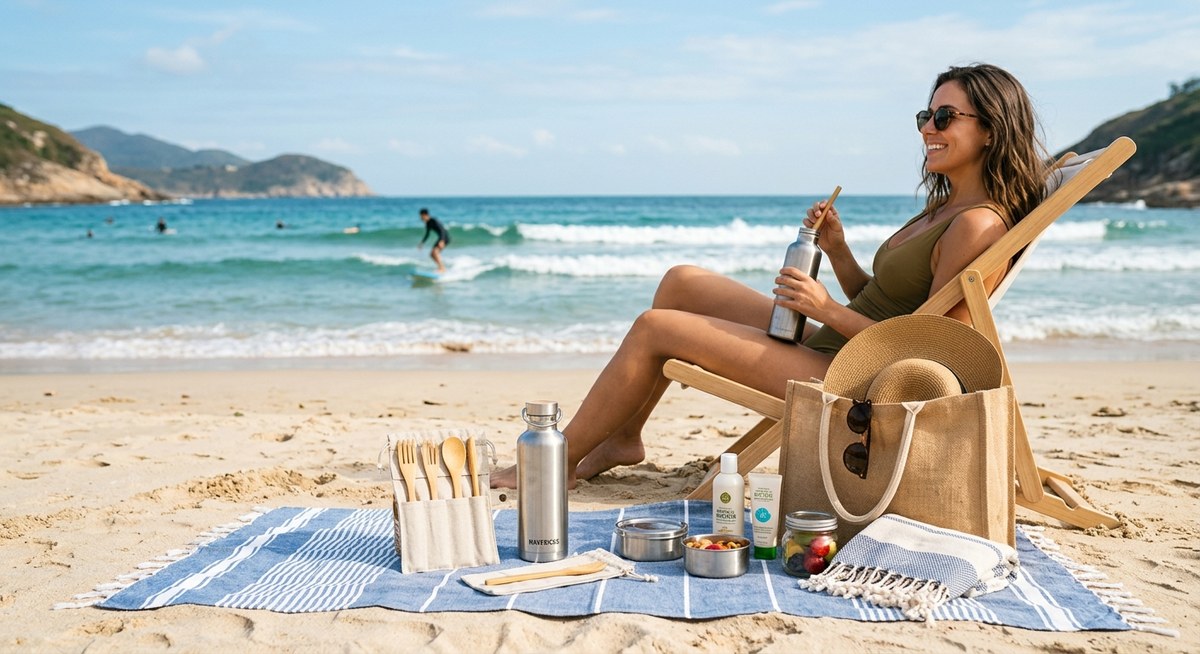
As the sun rises over the shoreline and the waves call to your inner surfer, you have a choice to make every time you head to the beach. You can simply soak up the sun and ride the swell, or you can ride the wave of responsibility and tread lighter on the planet. At Mavericks.hk we celebrate beach culture and eco conscious living, blending surf basics with outdoor adventures and practical tips that help you protect the ocean you love. This guide is your friendly, comprehensive roadmap to an eco friendly beach lifestyle that fits into real life. Packed with simple swaps, mindful habits, and activities that respect wildlife and habitats, it is designed for anyone who wants to enjoy the coast without leaving a burden behind. Let’s dive into sustainable habits that are easy to adopt, affordable, and genuinely effective.
Eco-Friendly Beach Essentials
A well stocked eco friendly beach kit can make all the difference. It reduces waste, improves comfort, and keeps you focused on the things that matter most on a day by the water. Here are the essentials and smart swaps that make your beach days cleaner and greener.
Reef Safe Sunscreen and Skincare
Traditional sunscreens can contain chemicals that harm coral reefs and marine life. Choosing reef safe sunscreen is not just a trend, it is ecological stewardship that protects the places we love to surf and swim.
- Look for mineral based formulas with zinc oxide or titanium dioxide as the active ingredients. These sit on the surface of the skin and reflect UV rays.
- Avoid common repellents that contain oxybenzone, octinoxate, or microplastics. Read ingredient lists, not just claims on the bottle.
- Apply sunscreen at least 15 to 20 minutes before sun exposure and reapply every two hours, or after swimming or sweating heavily.
- Consider a broad spectrum SPF 30 to 50 depending on your skin type and day’s activity. For long sessions in the sun, higher protection is beneficial.
- Pair sunscreen with protective clothing such as UV shirts, hats, and sunglasses to reduce sunscreen needs and keep chemical loads low.
Beyond sunscreen, keep your skincare routine simple at the beach. Fragrance free, biodegradable wipes, and reef safe lip balms reduce the number of additives that wash off into the ocean.
Reusable Towels and Beach Blankets
Say goodbye to disposable towels and highly absorbent microfibre options that shed tiny fibers into the water. Choose natural or responsibly produced fibers to minimize environmental impact.
- Opt for organic cotton, hemp, or bamboo towels that dry quickly and are durable.
- A compact, quick dry towel is ideal for surfers who need to rinse off between sessions.
- Beach blankets made from recycled materials or natural fibers add comfort without creating waste.
- Pack towels in a small, breathable bag to avoid moisture buildup and odor.
Pro tip: when you buy towels or blankets, look for products with durable stitching, colorfast dyes, and certifications like GOTS (Global Organic Textile Standard). Longevity is the most sustainable choice.
Water Bottles and Hydration
Single use plastic bottles are a major source of beach litter. A reliable reusable bottle reduces waste and saves money.
- Pick a sturdy stainless steel or insulated bottle that keeps drinks cold through long days in the sun.
- Bring water and a small electrolyte option if you exercise vigorously in the heat.
- Clean your bottle daily with hot water and a brush to avoid stale flavors and bacterial buildup.
- Carry a bottle with a removable cap to avoid losing parts on windy beach days.
Pack Smart: Food Containers and Utensils
Packing food in reusable containers keeps waste to a minimum and makes mealtimes more enjoyable.
- Use stainless steel or glass containers for meals and snacks.
- Bring durable cutlery sets made from stainless steel or bamboo, plus a compact cloth napkin.
- Choose a leakproof lunch box to avoid spills in your bag and car.
- Include a small bag for compostable scraps if you have access to a composting facility or want to keep away from wildlife.
Sun Protection and Clothing
Beyond sunscreen, clothing and gear make a big difference for comfort and environmental impact.
- Wear a sun protective rash guard or long sleeve shirt on hot days to minimize sunscreen use.
- Choose UV protective swimwear made from recycled fibers such as ECONYL regenerated nylon or other recycled blends.
- Bring a wide brim hat and polarized sunglasses to reduce squinting and skin exposure.
- For hot days, lightweight cover ups allow you to enjoy the beach without constant sunscreen reapplications.
Transportation to the Beach
Your mode of transport sets the tone for a sustainable day.
- Bike or walk whenever possible. Coastal towns often have scenic bike paths that connect to beaches.
- If you drive, carpool with friends or family to reduce emissions per person.
- For longer trips, plan your route to minimize idling and search for micro transit options in your area.
- Pack a compact beach kit so you can make the most of your day without needing to buy disposable items on site.
Waste Less, Sea More: Zero Waste Beach Habits
Zero waste is not about perfection, it is about consistent improvements that add up over time. Here are practical strategies to minimize your footprint at the beach.
Leave No Trace and Respect Wildlife
- Carry a small cleanup bag so you can pick up litter you encounter along the way.
- If wildlife is present, observe from a distance and do not chase or disturb them.
- After your visit, scan the area for any stray packaging, bottle caps, or fishing line that could harm animals.
Plastic Free Packing and Reuse
- Plan meals with reusable containers and avoid single use plastics altogether.
- Bring a cloth tote for your purchases and a separate bag for wet items.
- Use a compact, reusable straw or skip it entirely when not needed.
Refill and Reuse
- If you need condiments or beverages, bring refillable small containers rather than single use packets.
- For kids, corporate or personal snack pouches can be replaced with small reusable silicone bags.
Composting and Waste Sorting
- If you have access to a beachside waste station, separate recyclables and compostables when possible.
- Look for beaches that provide recycling bins specifically designed for plastics and metals.
- If composting is not available, take food scraps home in a sealable bag to compost later.
A Simple Zero Waste Beach Checklist
- Reusable bottle, cup, and utensils
- Reusable straw, or none
- Stainless steel snack containers
- Cloth napkin and tote bag
- Small trash and recycling bags
- A compact first aid kit and basic sun protection
- A lightweight rain jacket for unexpected weather
Surf and Sand: Eco-Conscious Surfing and Beach Activities
Beach life is not only about lounging; it is about playing in harmony with the environment. Here is how to enjoy activities responsibly.
Respect Marine Life and Habitats
- Do not disturb coral, sea grass, or tidal pools. Learn about protected species in your area.
- If you encounter wildlife while surfing or swimming, give them space and avoid interaction.
- Avoid stepping on delicate shorelines and erosion-prone zones.
Beach Cleanups and Community Action
- Join or organize a local beach cleanup with friends, neighbors, or a beach club.
- Use cleanup events as an opportunity to educate others about plastic pollution and wildlife protection.
- Document your cleanups with photos and share them to inspire others to take part.
Wildlife-Friendly Photography and Etiquette
- Be mindful of reflections, vibrations, and the natural rhythms of the beach when taking photos.
- Respect nesting sites and never disrupt bird roosts or marine animals for a better shot.
Low Impact Activities
- Opt for non motorized activities like frisbee, paddleboarding with a responsibly rented board, or beach yoga.
- When using a board or gear, clean off sand and dry it before storing to extend its life and reduce residue in the water.
Fashion and Gear: Sustainable Beachwear and Equipment
The right gear can reduce waste and support better supply chains.
Eco-Friendly Swimwear Materials
- Look for swimwear made from recycled or regenerated fibers such as Econyl, recycled polyester, or plant-based blends.
- Choose durable cuts and classic colors to extend the life of your swimsuit.
Recycled and Upcycled Accessories
- Select bags, hats, and accessories made from upcycled materials or recycled fabric.
- Support brands with transparent supply chains and fair labor practices.
Local and Fair Trade Themed Gear
- Favor local brands that support sustainable production and fair wages.
- Avoid overpackaged items and choose multipurpose products to reduce waste.
Care and Longevity
- Rinse gear in fresh water after saltwater exposure to extend life.
- Dry in shade, not direct sun, to prevent color fading and fabric damage.
- Repair rather than replace when possible; many items can be mended with a simple stitch or patch.
Snack Smart: Sustainable Food on the Beach
Food is part of the beach experience but should not create waste that harms the coast.
Local Snacks and Minimal Packaging
- Choose snacks with minimal packaging or packaging that is recyclable or compostable.
- Bring fruit, nuts, and homemade treats in reusable containers.
Zero Waste Lunch Ideas
- Pre prepare lunches in stainless steel containers with a cloth napkin.
- Use a reusable bottle for beverages rather than disposable cans or bottles.
- Bring a small ice pack to keep perishables cool without needing extra packaging.
Hydration and Beverages
- Water should be your primary beverage, with a refillable bottle.
- For flavor, add slices of lemon, lime, or cucumber rather than sugary plastic bottles.
Community and Education: Beach Stewardship and Local Initiatives
Becoming part of a community that values eco conscious living makes the journey easier and more fun.
Join Local Beach Cleanups and Stewardship Projects
- Connect with local environmental groups, surfing clubs, or schools that organize cleanups.
- Invite friends to join and convert it into a recurring monthly activity.
Volunteer for Habitat Restoration
- Some beaches have native dune restoration projects or salt marsh rehabilitation efforts.
- Your participation can help protect nesting sites, reduce erosion, and improve biodiversity.
Share Knowledge and Inspire Others
- Post your tips, photos, and progress on social platforms or local clubs.
- Offer short workshops on reef safe sunscreen, sustainable packing, or zero waste picnics.
A Seasonal Guide: Year-Round Eco Beach Living
Eco friendly habits adapt with the seasons, surf conditions, and travel patterns. Here is a practical guide to staying sustainable all year long.
Summer Surfer Essentials
- A high quality reef safe sunscreen and a light rash guard.
- A durable board bag, fin saver, and wax that lasts longer and reduces waste.
- A hydration plan with a reusable bottle and electrolyte mix in recycled packaging.
- A compact repair kit for boards and leashes to extend life and minimize replacements.
Off Season and Shoulder Months
- Pack layers that protect you from breeze and spray while reducing the need for heavy synthetic gear.
- Use a versatile beach jacket and convertible pants that work for sun and wind.
- Check for local farmers markets and seasonal produce to reduce the carbon footprint of snacks.
Weather Preparedness and Plastic Free Travel
- Always check the forecast for wind, rain, and heat waves. Bring a lightweight rain shell and sun protection.
- Choose a reusable travel kit and avoid disposables when traveling long distances to beaches.
- Support local eco friendly accommodations that prioritize waste reduction, composting, and renewable energy.
Practical Quick Start: 7 Day Challenge
- Day 1: Replace one disposable item with a reusable alternative at every beach visit.
- Day 2: Attend a local beach cleanup or organize one with friends.
- Day 3: Try a reef safe sunscreen and document your experience with photos and notes.
- Day 4: Bring a zero waste lunch and a cloth napkin instead of disposable packaging.
- Day 5: Use a bike or walk for a beach trip and record the distance saved.
- Day 6: Invest in eco friendly swimwear and gear with recycled content.
- Day 7: Share your journey with a friend group and start a small eco challenge of your own.
Measuring impact is easier than you think. Track how many disposable items you replaced, the distance you traveled by bike, and the amount of trash you helped remove from your beach. Small, consistent changes add up to meaningful, lasting improvements for the oceans and coastlines we all love.
Final Thoughts: Living the Mavericks Way
Eco friendly beach living is not about perfection; it is about daily choices that keep the coast clean, protect wildlife, and preserve the magic of the ocean for future generations. At Mavericks.hk we celebrate this balance between adventure and responsibility. Whether you are a beginner surfer, a weekend explorer, or someone who loves long beach walks with a camera, there are countless ways to align your lifestyle with the health of the sea.
- Start with the essentials: reef safe sunscreen, reusable gear, and a waste-free mindset.
- Make it a habit to pick up after yourself and bystanders whenever you can.
- Support brands and communities that value transparent, sustainable practices.
- Teach others what you know and learn from the experiences of fellow beach lovers.
Together we can ride the waves of change, one eco friendly beach day at a time. If you want more inspiration, practical gear recommendations, and surf culture stories that prioritize the ocean, stay tuned to Mavericks.hk. We will continue to bring you thoughtful, actionable guides that make sustainable living exciting and accessible.
Appendix: Quick Reference
- Reef Safe Sunscreen: mineral-based, no oxybenzone or octinoxate, broad spectrum SPF 30 to 50.
- Materials to Prefer: organic cotton, hemp, recycled fibers, ECONYL or recycled polyester.
- Plastic Reduction: reusable bottles, containers, bags, and utensils.
- Wildlife Etiquette: observe from a distance, do not feed or touch marine life.
- Community: join or organize local beach cleanups regularly.
- Gear Longevity: repair rather than replace, rinse salt and sand after use, store away from sun when possible.
- Seasonal Planning: align gear and packing lists with seasonal surf conditions and climate.
If you have a favorite eco friendly tip or a local beach initiative you love, share it with our Mavericks.hk community. We are always excited to feature voices from surfers, hikers, divers, and beach lovers who care about the blue planet we call home.