The Full Hong Kong Weekend From Beach Sessions to City Traditions
Saturday morning. Your alarm cuts through the dark at half past five. The city outside is still a low hum of air conditioning units and distant traffic. You splash water on your face, grab your board shorts, and check the swell on your phone. By the time the MTR is stirring, you are already heading east. This is a Hong Kong weekend done properly. It starts on a wave and ends with cold drinks in hand, watching the city carry on with all its small, familiar rituals. It is two days that somehow stretch further than they have any right to.
The Weekend at a Glance
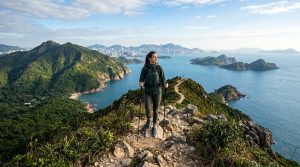
A proper Hong Kong weekend layers early surf sessions with eco-aware beach habits, stretches into hilltop trail walks, and then slides naturally back into city rhythms by late afternoon. Locals do not treat the beach as a getaway from Hong Kong life. They treat it as the first half of a day that finishes with a cold drink, familiar company, and a casual glance at whatever score or result catches their eye.
Why Big Wave Bay Draws the Early Risers
Big Wave Bay has been Hong Kong’s most accessible surf beach for decades. It sits at the eastern end of Hong Kong Island, reachable by taxi or a short hike from Shau Kei Wan MTR. The bay faces the open South China Sea, which means it picks up swell more consistently than sheltered spots on the southern side.
The crowd here is mixed. You get experienced shortboarders cutting tight lines, beginners on foamies wobbling through whitewash, and stand-up paddlers drifting wide of the break. Early morning is the sweet spot. The water is glassy. The sun is still low. The temperature is manageable. By nine o’clock it starts to fill up, so locals who know what they are doing are in the water by seven at the latest.
Before heading out, checking conditions is non-negotiable. Serious surf-checkers in Hong Kong rely on coastal weather data from the Hong Kong Observatory to read wind direction and sea state before committing to a session. When a northeast swell is running and the wind is light offshore, Big Wave Bay genuinely delivers.
Big Wave Bay vs Tai Long Wan at a Glance
Choosing between Hong Kong’s two most popular surf spots depends on what kind of morning you want. Both deliver, but in entirely different ways.
Comparing Hong Kong’s Two Premier Surf Beaches
| Feature | Big Wave Bay | Tai Long Wan |
|---|---|---|
| Access | Easy, taxi or walk from MTR | Requires a hike in or water taxi |
| Crowd Level | Busy on weekends by mid-morning | Quieter, even in peak season |
| Wave Character | Consistent beach break, all levels | Longer, more powerful swells |
| Facilities | Showers, changing rooms, food stalls | Minimal, bring everything yourself |
| Best For | All abilities, shorter sessions | Committed surfers, full-day trips |
Tai Long Wan in Sai Kung is the more rewarding destination if you have a full Saturday to commit to. The hike in from Sai Wan takes about an hour on well-marked MacLehose Trail sections. The beaches there, Ham Tin and Sai Wan Wan in particular, sit in a wide crescent bay that catches south and southeast swells beautifully. The journey filters out casual visitors, which means the water stays uncrowded even on busy public holidays. You pay for it in sweat, but that is part of the deal.
Eco-Conscious Habits Hong Kong’s Beach Regulars Follow
The surf community in Hong Kong has a strong streak of environmental awareness. It is hard to paddle out day after day and not notice what washes in from the sea. Local beach-goers tend to carry these habits without making a performance of it:
- Reef-safe sunscreen only. Chemical sunscreens containing oxybenzone and octinoxate cause measurable harm to coral and marine life. Most regulars switched years ago and do not go back.
- Pack in, pack out. The beaches with the best surf are often the least serviced. Litter removal falls on whoever is there, full stop.
- No single-use plastics on the sand. Reusable bottles and beeswax wrap are standard in this crowd. Plastic bags at the beach draw quiet disapproval.
- Wax sparingly. Traction pads cut down on the paraffin wax that gets rinsed into the water. It is a small thing, but it adds up across a season.
- Respect country park fire rules. Barbecue permits in designated areas are real and enforced. Using a proper fireplace and cleaning it out afterwards is expected, not optional.
None of this is performative. It comes from spending enough time at these beaches to feel genuinely protective of them. When the ocean is your weekend routine, you start caring about its condition personally.
How the Typical Saturday Unfolds Hour by Hour
If you asked any regular Hong Kong beach-goer to map out their Saturday, it would look something like this. The rhythm is flexible, but the bones stay the same:
- 5:30am , Wake up, check swell and wind data, pack the board bag without overthinking it.
- 6:30am , Arrive at the beach. Wax up, stretch, read the sets from the sand for five minutes. Never skip this part.
- 7:00am , Paddle out. Best part of the day. The light at this hour does things to the water that are difficult to describe.
- 9:30am , Out of the water. Rinse off, find shade, eat something substantial. Skipping breakfast after two hours of paddling is a mistake you only make once.
- 11:00am , Either a trail walk to extend the outdoor time or the slow pack-up and bus back toward the city.
- 1:00pm , Lunch somewhere with good ventilation and cold drinks. Conversations drift between waves ridden and the general state of things.
- 3:00pm , The afternoon opens up. City options start to look appealing again.
That midday transition is a distinctly Hong Kong thing. The city is always close. Even at the most remote beach in the New Territories, you are never more than two hours from Mong Kok. People move between these worlds fluidly, which is part of what makes weekends here feel full without feeling rushed. You are never actually choosing between the beach and the city. You are just deciding which one you want first.
What Locals Do When the Afternoon Takes Over
By early afternoon the surf crowd has mostly regrouped. Some head straight home for a nap they earned. Others extend the outdoor portion with a hike, a swim at a second beach, or a kayak through one of Sai Kung’s outer islands.
Then there is the cultural shift that happens as the city pulls people back in. Friends who surfed together in the morning reconvene at a dai pai dong or a rooftop bar as the evening approaches. The conversation stays easy. Someone orders one too many rounds. Phones come out.
In Hong Kong, checking sports results is a deeply casual thing. The way someone in England might pull up a Premier League scoreline between drinks, a Hong Konger will often glance at HK race results, curious who placed at Sha Tin and what the dividends looked like. Horse racing is not niche here and it is not nostalgic. It is part of how people engage with sport and competition on a weekend, the same way they follow football or basketball. Happy Valley gives it a visual drama that belongs entirely to this city. The track is ringed by tower blocks. The city presses in from every direction. Race nights there feel like nowhere else on earth.
For anyone who spent the morning paddling out at Big Wave Bay, checking results in the late afternoon requires zero mental energy. It is exactly the right kind of passive engagement after a physical morning.
Evening Brings the City Back Into Full Focus
Hong Kong evenings have a particular quality that is hard to put into words. The heat softens. The streets fill. The smell of char siu, charcoal, and evening cooking drifts out of side streets and restaurant doors. After a day that started before sunrise at the beach, dropping into this feels like a natural landing.
Surfers who live this rhythm tend to eat well on Saturday nights. Congee in Sheung Wan. Roast goose somewhere in Yuen Long. Japanese at a counter in Wan Chai with just enough seats that you have to commit to staying. The city’s food options after a tiring physical day are one of its most underrated pleasures, and they pair well with the specific exhaustion that only a long surf session produces.
Sunday follows a quieter shape. Some go back to the beach for a second session. Others take the ferry to Cheung Chau or Lamma, which carry their own beach culture and gentler pace. The surf might be smaller, but the water is warm and the day stretches at a tempo that the city rarely allows during the working week.
When Salt Air and City Lights Feel Like One Life
There is a version of Hong Kong that looks only like a financial hub, all glass towers and escalators and neon. That version exists. But so does a version that starts at dawn on a longboard, involves a trail lunch with sand still between your toes, and wraps up with race results and cold Tsingtao in good company.
The people who live both versions are not living a contradiction. They are living a very Hong Kong life. The beach and the city are not in tension here. They feed each other. You surf better knowing a good dinner is waiting. You enjoy the evening more because you spent the morning on the water.
That is the shape of the full Hong Kong weekend. Not a postcard version. The real one, with early alarms and sunburned shoulders and mild debates about which break was running better. It is the kind of weekend that sends you into Monday feeling like you used Saturday and Sunday exactly right.