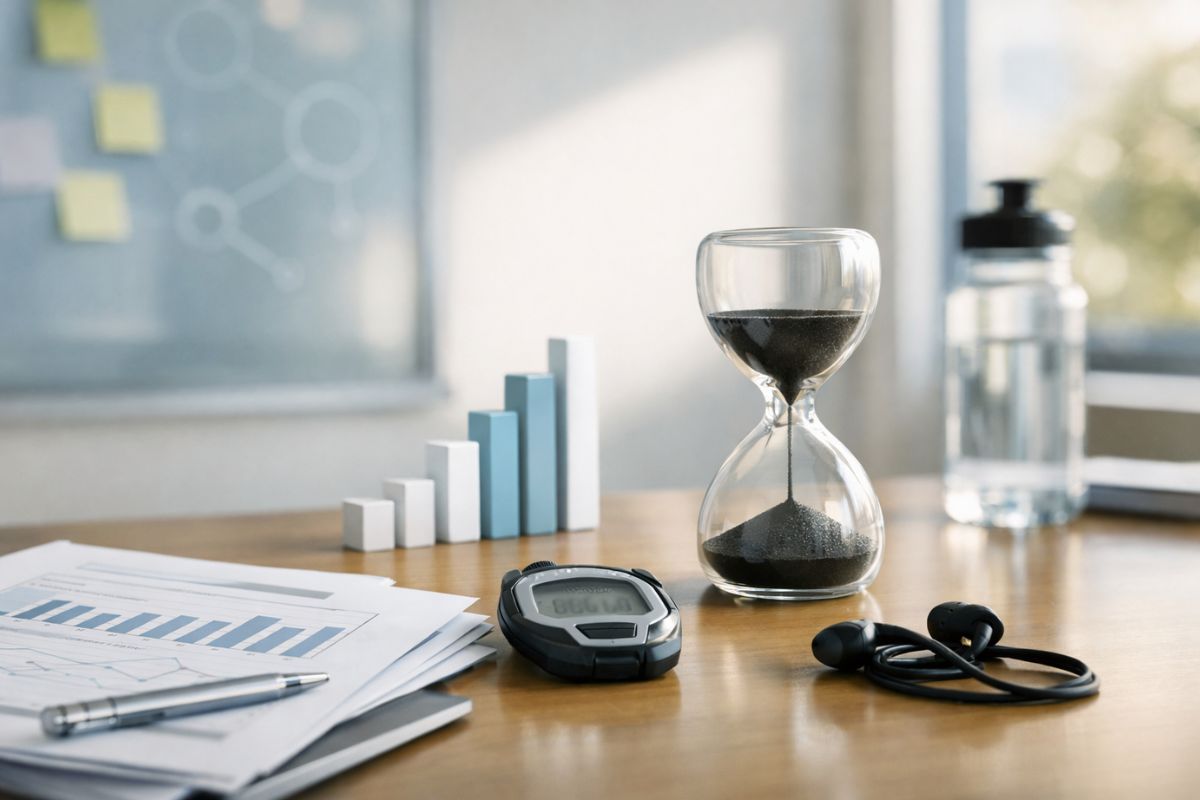
Momentum in fitness is quiet. It does not shout. It builds in small decisions made across ordinary days. Miss a session and nothing breaks instantly. Skip two and doubt creeps in. After that, restarting feels heavier than the workout itself. Consistency is not about intensity or motivation. It is about awareness. Knowing how long it has been since your last workout changes how you act today. Time gives context, not guilt.
That awareness starts with simple tracking. A clear sense of elapsed time matters, and a time since calculator removes guesswork. It shows the real gap between sessions. Hours become days. Days become patterns. Once you see the spacing, planning the next session feels grounded. It stops being vague. It becomes practical.
Quick Summary
Consistency improves when you notice gaps early. Tracking time since your last workout keeps routines realistic and flexible. Planning the next session becomes easier when timing feels visible and calm.
Why time gaps shape fitness habits
The body responds to rhythm. Muscles adapt when stress repeats within a reasonable window. Cardio improves when effort returns before conditioning fades. Long gaps do not erase progress overnight. They soften it. Knowing whether your last workout was two days ago or nine days ago matters because the body responds differently to each.
Many people rely on memory to judge consistency. Memory is generous. It smooths over missed days. Time tracking does not judge. It simply states facts. That clarity supports better choices. You may choose a lighter session. You may rest with intention. Either way, the decision is informed rather than reactive.
Turning awareness into action
Once the gap is visible, the next step is planning forward. Not aggressively. Not rigidly. Planning means deciding when the next session fits into your real schedule. It respects work, weather, and energy. Time awareness helps avoid the common trap of overcorrecting after a break.
Movement does not always happen in gyms. Long swims, shoreline walks, and casual activity all contribute to daily energy use. This becomes clear when looking at how different beach activities burn calories across a relaxed day. Fitness often accumulates quietly, without a stopwatch or a plan.
Reading your own recovery signals
Time since last workout is not only about discipline. It also reflects recovery. Training too soon after a hard session can stall progress. Training too late can dull momentum. The right window shifts with age, sleep, and stress. Tracking time builds self knowledge.
Certain environments reduce strain while keeping the body active. Moving on sand or in shallow water changes joint loading, and the benefits of saltwater and sand help explain why these sessions often feel restorative. Placing them thoughtfully between harder workouts can steady a routine.
Simple structure without pressure
Consistency thrives on structure that bends. A loose framework works better than strict rules. Think in windows instead of fixed days. Three to four movement sessions per week suits many people. The spacing adapts based on what life allows rather than forcing the calendar to comply.
Below is a simple table showing how time gaps can guide session choices. It does not prescribe effort. It suggests direction based on how the body often responds after different breaks.
| Time Since Last Session | Body State | Suggested Focus |
|---|---|---|
| 24 to 48 hours | Still warm | Skill or light strength |
| 3 to 4 days | Recovered | Main training session |
| 5 to 7 days | Detraining begins | Ease back in |
| 8 plus days | Cold start | Short and gentle |
Planning the next session without friction
Planning works best when it removes barriers. Choose a time that already feels calm. Early morning works for some. Late afternoon for others. The goal is not perfection. It is repeatability. Seeing the time gap makes the choice grounded rather than emotional.
Many people link movement with mental reset. A slow walk near the water steadies breathing and attention, which aligns naturally with mindful moments by the sea that calm the nervous system. That steadier state often makes the next workout easier to begin.
Common patterns worth noticing
Tracking time reveals habits you might miss. Some people train hard then disappear for a week. Others train lightly but often. Neither is wrong. What matters is alignment with goals. Awareness lets you adjust without drama or self criticism.
Watch for these patterns over a month.
- Long gaps after intense sessions, which often signal recovery needs more structure.
- Clusters of short sessions followed by burnout, which often point to pacing issues.
- Missed sessions tied to specific days, which often reveal scheduling friction.
Using numbers without obsession
Numbers help when they inform. They hurt when they judge. Time since last workout is neutral. It is not a score. It is a signal. Use it to plan, not to punish. If the gap is longer than hoped, shorten the next session and protect the habit.
Health guidance consistently highlights frequency over intensity. The World Health Organization physical activity guidelines reflect this focus on regular movement rather than perfect adherence. Time awareness supports this approach by keeping expectations realistic.
Building a rhythm that lasts
Consistency grows from kindness toward your future self. Tracking time keeps expectations honest. Planning the next session becomes a calm decision instead of a forced promise. Over weeks, that calm compounds into a routine that feels stable.
Fitness does not demand constant effort. It asks for return. Each time you notice the gap and choose to move, the habit strengthens. The clock is not your enemy. It is a quiet guide.
Where momentum quietly returns
The moment you stop guessing is the moment progress feels lighter. Knowing how long it has been since you last moved gives you control. Planning the next session becomes an invitation rather than a chore. That is where consistency lives, in small honest choices repeated over time.
Stay curious about your own timing. Let it guide you gently. The rhythm will follow.